

 Deutsch
 Dutch
Dutch
 Russian
 Turkish

Understanding Root Canal Treatment
Introduction
A damaged or infected tooth can be a painful and uncomfortable experience. Root Canal Treatment, also known as Endodontic therapy, is a procedure used to help preserve a damaged or infected tooth where clinically appropriate. This treatment may be needed when the pulp, the soft tissue in the center of the tooth, becomes inflamed or infected. If left untreated, it may lead to pain and may allow infection to progress to other parts of the mouth. In this article, we will explore the details of Root Canal Treatment, including the process, possible outcomes, and risks involved.
What Is Root Canal Treatment?
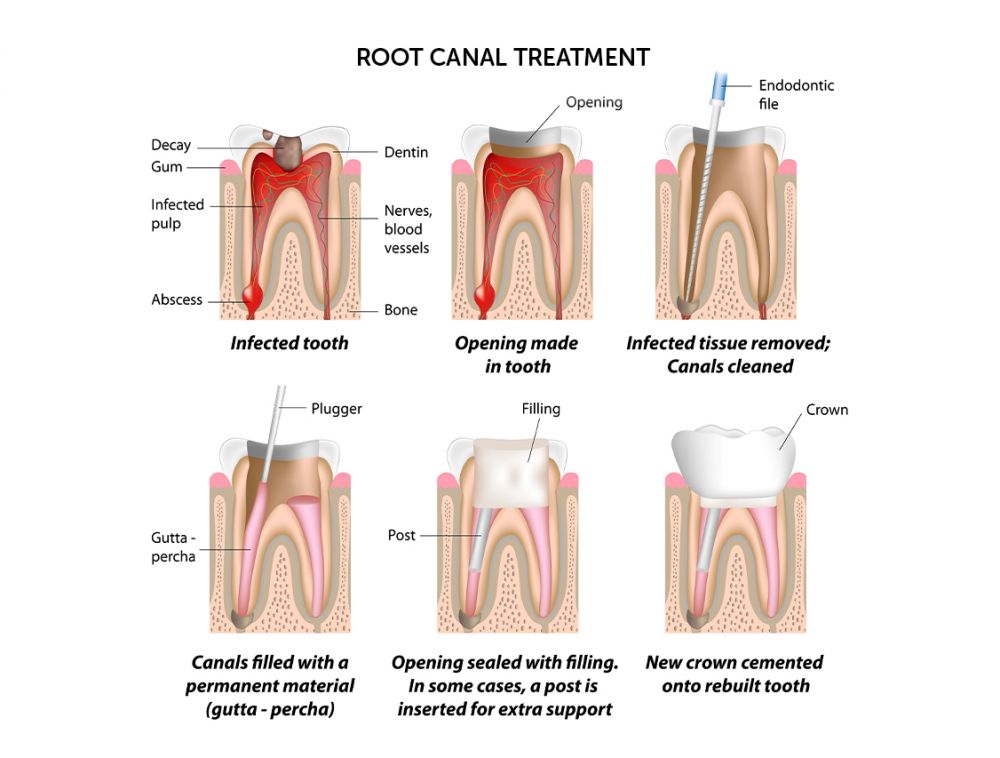
Root Canal Treatment is a procedure that removes infected or damaged pulp from the inside of a tooth. The process involves making an opening in the top of the tooth to access the pulp, removing it, cleaning the inside of the tooth, and filling it with a suitable dental material to help reduce the risk of further infection. The tooth is then sealed and restored according to clinical need.
Overview of Root Canal Treatment Outcomes
There are several possible outcomes associated with Root Canal Treatment, including:
- May help preserve the tooth: By removing infected or damaged pulp and filling the inside of the tooth, Root Canal Treatment may help preserve the natural tooth where clinically appropriate. This may support bite and chewing function.
- May reduce the risk of further infection: Root Canal Treatment removes infected tissue from inside the tooth, which may help reduce the risk of the infection progressing to other parts of the mouth.
- May help reduce discomfort: Inflammation and infection of the pulp can cause pain. Root Canal Treatment aims to address the source of the problem and may help reduce discomfort.
- Supports tooth structure: By removing infected or damaged pulp rather than extracting the entire tooth, Root Canal Treatment is intended to help maintain the natural structure and appearance of the tooth where possible.
When Is Root Canal Treatment Needed?
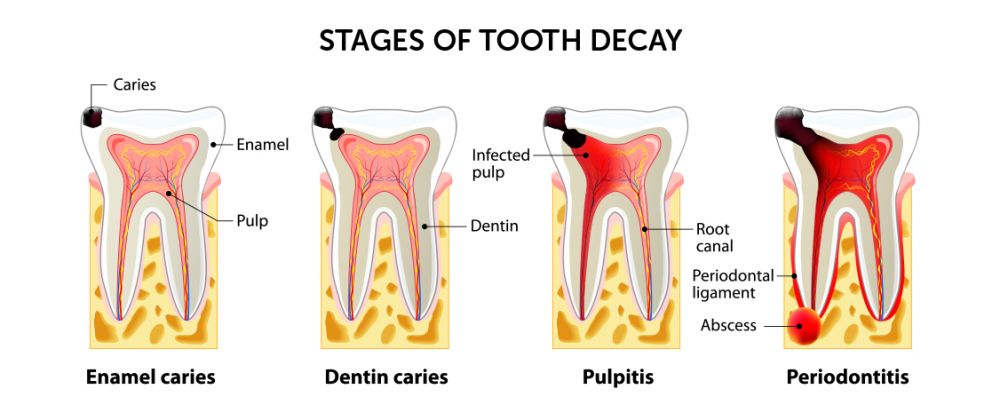
Root Canal Treatment may be needed when the pulp, the soft tissue in the center of the tooth, becomes inflamed or infected. This can occur due to a variety of factors, including:
- Decay: Decay that reaches the pulp of the tooth can cause inflammation and infection.
- Trauma: A traumatic injury to the tooth can cause damage to the pulp, leading to inflammation or infection.
- Cracks or chips: Cracks or chips in the tooth can allow bacteria to enter the pulp, which may lead to inflammation or infection.
If left untreated, the infection may progress and cause pain or possible complications.
The Process of Root Canal Treatment
The process of Root Canal Treatment can typically be completed in one to three visits to the dentist, depending on the clinical situation. The steps involved include:
Anesthesia
The dentist will numb the area around the tooth to help minimize discomfort during the procedure.
Accessing the pulp
The dentist will make an opening in the top of the tooth to access the pulp.
Removing the pulp
The dentist will use special tools to remove the infected or damaged pulp.
Cleaning and shaping the canal
The inside of the tooth is cleaned and shaped to prepare it for filling.
Filling and sealing the canal
The dentist will fill the inside of the tooth with a suitable dental material to help reduce the risk of further infection. The tooth is then sealed.
Restoration
In some cases, the dentist may place a crown or another type of restoration over the tooth to protect it and support its shape and function.
Frequently Asked Questions (FAQs)
Get A Quote
Fill out the form below and our medical team will contact you within 24 hours.