

 Deutsch
 Dutch
Dutch
 Russian
 Turkish

Introduction
If you are considering options to improve the appearance of your smile, you may have heard of composite bonding. It is a dental procedure that may help address chipped, cracked, or discoloured teeth, among other dental concerns. Composite bonding is a minimally invasive treatment option that may improve the appearance of teeth in suitable cases, but what is it exactly? In this article, we will explore key information about composite bonding, including its possible advantages, risks, process and aftercare.
What Is Composite Bonding?
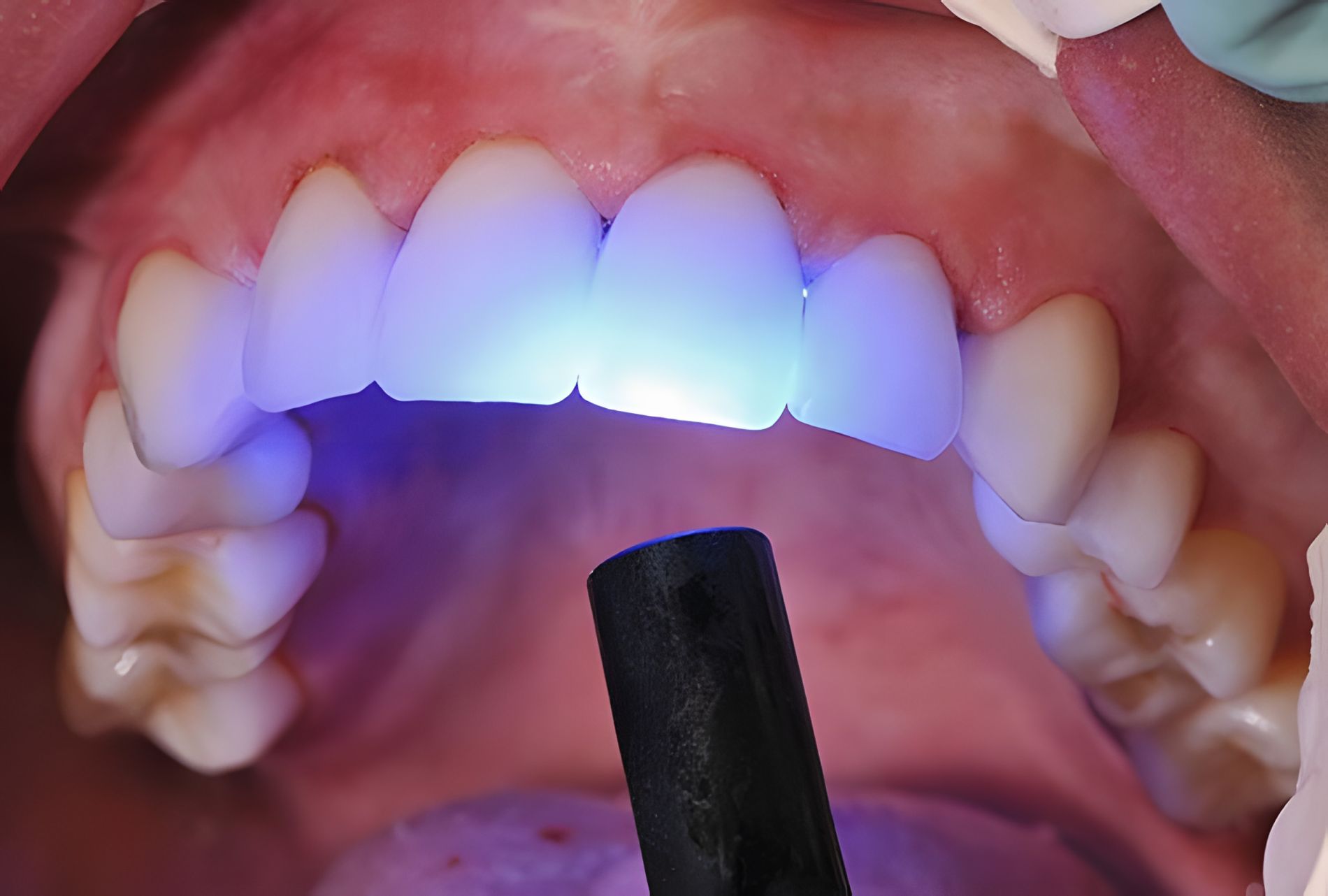
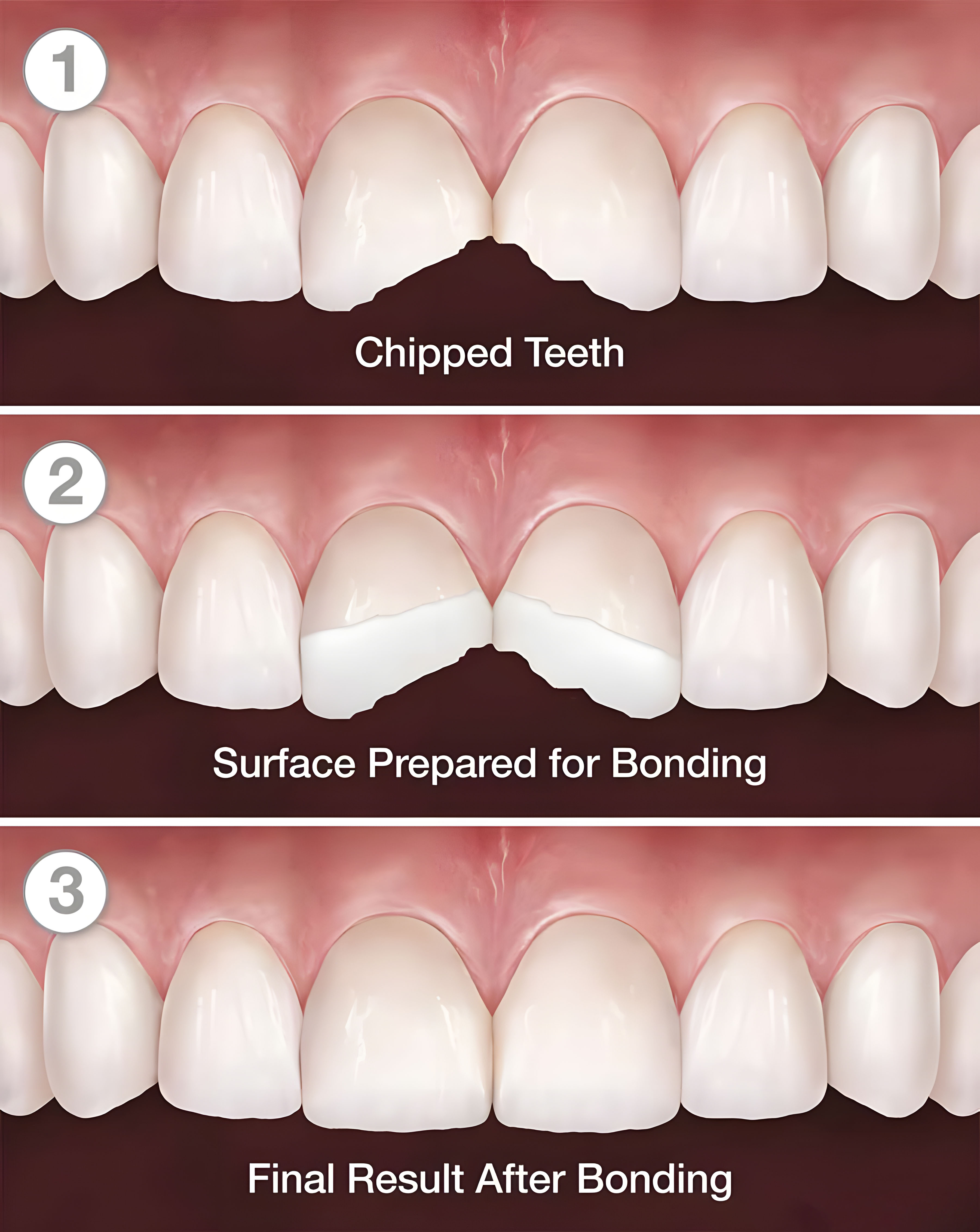
Composite bonding is a cosmetic dental procedure that involves using a tooth-coloured resin to reshape or restore teeth. It is generally a straightforward process that may be completed in a single visit, depending on the clinical case. The resin used in composite bonding is made of a mixture of plastic and glass-based particles, which is applied to the teeth in layers and then hardened with a special light. Once the composite resin is set, your dentist will sculpt and polish it to match the shape and colour of the surrounding teeth.
Composite bonding may be used to address a range of dental concerns, including:
- Cracks or chips in teeth
- Discoloured or stained teeth
- Uneven teeth
- Gaps between teeth
- Misshapen teeth
- Decayed teeth in suitable cases
Features of Composite Bonding
Composite bonding has several features that may make it suitable for selected cases. Here are a few:
- Minimally invasive: Unlike some other cosmetic dental procedures, composite bonding may require little or no removal of tooth enamel depending on the case.
- Appointment time: Composite bonding may be completed in a single visit in suitable cases, although duration varies depending on the number of teeth and treatment plan.
- Cost information: Composite bonding is often considered a conservative cosmetic option, and pricing depends on the clinical plan and number of teeth involved.
- Aesthetic appearance: Composite resin is tooth-coloured and can be matched with surrounding teeth in suitable cases.
- Versatility: Composite bonding may be used for selected chips, gaps, discolouration and shape irregularities depending on clinical suitability.
Risks of Composite Bonding
Composite bonding is a commonly used dental procedure, but as with any treatment, there are potential risks and limitations to be aware of. These include:
- Sensitivity: After the procedure, some patients may experience sensitivity to hot and cold temperatures for a short period, although this varies from person to person.
- Staining: Composite resin may stain over time, so your dentist may recommend limiting foods and drinks that can contribute to staining, such as coffee, tea, and red wine.
- Chipping: Composite resin may chip or break under excessive biting force or if hard objects are bitten.
- Decay: If oral hygiene is not maintained, decay may still develop around or underneath the restoration.
The Composite Bonding Process
Now that you know what composite bonding is and its possible advantages and risks, let's take a closer look at the process.
Step 1: Consultation
The first step is to schedule a consultation with your dentist to discuss whether composite bonding is suitable for you. During this appointment, your dentist will examine your teeth and discuss your goals, expectations and clinical needs.
Step 2: Preparation
If you and your dentist decide that composite bonding is suitable for your case, the next step is to prepare the tooth for the bonding process. Your dentist will start by cleaning your teeth and may lightly prepare the surface of the tooth to be bonded. This is done to help the composite resin adhere to the tooth.
Step 3: Applying the Composite Resin
Once the tooth is prepared, your dentist will apply the composite resin to the tooth in layers. Each layer is hardened with a special light before the next layer is applied. Your dentist will sculpt and shape the composite resin to match the shape and colour of your surrounding teeth.
Step 4: Polishing
Once the composite resin has been applied and shaped, it needs to be hardened with a special light. This process is called curing, and it typically takes about 30–60 seconds. Once the resin is cured, your dentist will polish it to give it a smooth and natural-looking finish.
Conclusion
Composite bonding is a cosmetic dental procedure that may help improve the appearance of teeth in suitable cases. It can be considered as a conservative option for selected aesthetic and restorative needs and may be completed in a single visit depending on the case. With proper care and maintenance, composite bonding may last for several years. If you are interested in composite bonding, talk to your dentist to determine whether it is suitable for your dental needs.
Frequently Asked Questions (FAQs)
Get A Quote
Fill out the form below and our medical team will contact you within 24 hours.